Green Mill Cocktail Lounge
A Prohibition-era jazz lounge with a real, documented mob connection, still running live jazz nightly in Uptown.

Photo: Filip Mishevski / Unsplash
- ✓Tracing to 1907 under earlier names on this same Uptown corner, making it one of the oldest operating jazz clubs in the country, let alone Chicago.
- ✓A real Prohibition-era history — "Machine Gun" Jack McGurn, of Al Capone's outfit, was reportedly a part-owner in the 1920s — though the room you'd walk into today dates to a 1935 rebuild after a fire, so treat the specific Capone's-booth lore as atmosphere rather than verified fact.
- ✓Live jazz runs most nights of the week, with a cover charge on weekend and headline sets.
- ✓Located in Uptown, a historic entertainment district that's mid-revival around the club — worth pairing with a look at the neighborhood's old theater architecture.
- ✓The interior — dim, deep booths, a curved bar — has changed remarkably little, which is a large part of the draw for visitors as much as the music itself.
A century-plus of continuous operation, and the Capone connection
The venue traces to 1907, when Pop Morse's Roadhouse opened on this Uptown corner; it was renamed Green Mill Gardens around 1910 and has operated under some version of that name ever since, which alone makes it a notable survivor in a city that's rebuilt itself more than once. Its Prohibition-era reputation is real but more layered than the postcard version: "Machine Gun" Jack McGurn, part of Al Capone's outfit, reportedly held a stake in the club during the 1920s, and entertainer Joe E. Lewis was famously attacked by McGurn's men after crossing him. Worth knowing, though — a 1933 fire gutted the building, and the room in operation today dates to a 1935 rebuild, three years after Capone himself went to prison. The often-repeated stories about "Capone's booth" and escape tunnels are part of the room's mystique, but they're better described as lore than documented fact.
What isn't in question is the room's staying power. The low light, deep booths and curved bar reflect decorating done in the 1940s that's held up since, not a modern restoration built to look old overnight, and the crowd — a mix of serious jazz listeners, curious tourists and Uptown regulars — reflects a room that's never really stopped being a working jazz club.
Planning a night, and pairing it with Uptown
Live jazz plays most nights, and the room leans toward a seated, listening-focused crowd rather than a loud bar scene — this is closer to a cocktail lounge with a serious music program than a nightclub. Weekend and headline sets typically carry a cover charge, and the room fills up for well-known acts, so arriving early for a good seat is worth it if there's a specific set you want to catch. As with any live-music venue, exact cover charges, set times and the night's lineup change constantly — verify before building an evening around one act.
Uptown itself rewards a longer visit than just the club: the neighborhood was a major entertainment district in its own right decades ago, and several of its grand old theaters survive nearby, in various states of restoration. A Green Mill night pairs naturally with an earlier walk through the area, especially if you're already curious about the mid-revival energy the neighborhood has been building in recent years.
- Tracing to 1907 under earlier names, continuously operating on this corner — one of the oldest jazz clubs in the country.
- A real Prohibition-era mob connection through Jack McGurn — though the current room dates to a 1935 rebuild, after a fire and after Capone's imprisonment, so treat the booth-specific lore as atmosphere.
- Live jazz most nights; weekend and headline sets carry a cover — verify current pricing and set times.

Chicago Blues & Jazz Clubs
Chicago invented electric blues — Green Mill, Buddy Guy's Legends, and Kingston Mines carry that history into three very different rooms.
Read guide
Uptown, Chicago
A historic entertainment district (the Green Mill, the Aragon, the Riviera) now mid-revival north of Lakeview. Best for live music history, historic theater architecture. Served by the Red.
Read guide
Chicago Jazz Festival
A free Labor Day weekend festival with deep historical roots in the city that helped define American jazz.
Read guideMore in Blues & Jazz
2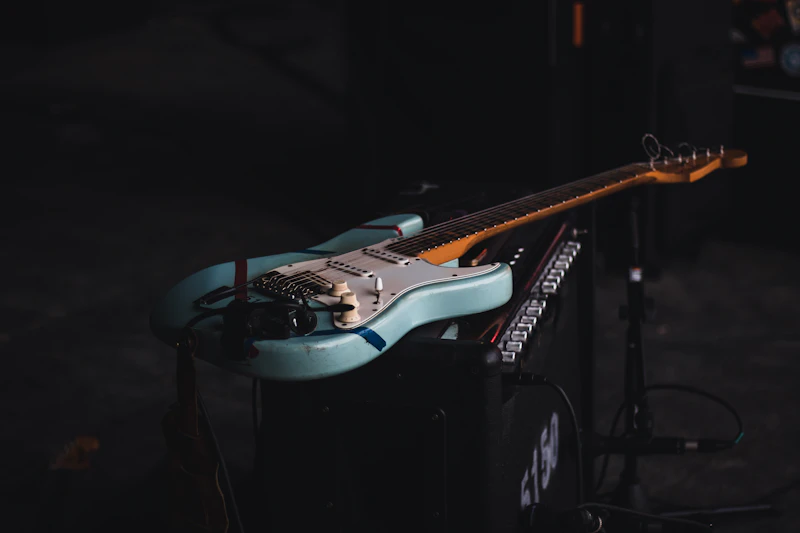
Buddy Guy's Legends
Blues legend Buddy Guy's own South Loop club — memorabilia walls, nightly sets, and a January residency by the man himself most years.
Read guide
Kingston Mines
Chicago's oldest continuously operating blues club — two stages, live music until 4am, in the heart of Lincoln Park.
Read guide