Chicago Blues & Jazz Clubs
Chicago invented electric blues — Green Mill, Buddy Guy's Legends, and Kingston Mines carry that history into three very different rooms.

Photo: Jens Thekkeveettil / Unsplash
- ✓This cluster lives under Things to Do, not a separate nightlife category — that's where the site's taxonomy landed, and it keeps the music history next to the museums and parks rather than siloed off.
- ✓Three rooms, three distinct identities: the Green Mill's Prohibition-era jazz lounge in Uptown, Buddy Guy's own South Loop blues club, and Kingston Mines' two-stage, late-night Lincoln Park room.
- ✓Chicago's electric blues sound grew out of the Great Migration, as Delta blues musicians moved north and plugged in — a genuine, foundational piece of American music history, not marketing copy.
- ✓Cover charges, set times and any given night's lineup move constantly — verify before you build an evening around a specific act.
- ✓Chicago also runs two major free blues and jazz festivals each year, the Chicago Blues Festival in June and the Chicago Jazz Festival over Labor Day weekend — both now held in Millennium Park (the Blues Festival moved there from Grant Park in 2017).
Three rooms, one history, worth more than one night
Chicago's claim to blues and jazz isn't a marketing angle — it's where a huge amount of the modern American sound actually got plugged in and amplified. Delta blues musicians who moved north during the Great Migration found a city with electricity, factory jobs, and audiences ready for a louder, harder-edged version of the music they'd brought with them; the sound they built here directly shaped rock and roll. That history isn't a museum piece in Chicago — it's still playing live, most nights, in rooms you can walk into.
The three clubs on this site each carry a genuinely different piece of that story. The Green Mill in Uptown traces to 1907 under earlier names and leans jazz, with a real Prohibition-era mob connection through Al Capone associate Jack McGurn — though the room itself dates to a 1935 rebuild, so treat the specific booth-and-tunnel lore as atmosphere rather than fact. Buddy Guy's Legends in the South Loop is blues, owned by a bona fide genre legend who still turns up to play it himself most years. Kingston Mines in Lincoln Park is the city's oldest continuously operating blues club, built for a late, loud night rather than a seated jazz-lounge set. None of the three substitute for the others — the real risk with a cluster like this is treating them as interchangeable, when the differences in room, crowd and sound are the whole point.
Picking a room, and the two festivals that carry the season
If you only have one night, match the room to the mood: the Green Mill for a seated, cocktail-lounge jazz set with real historical atmosphere; Buddy Guy's Legends for blues with the highest chance of a genuinely famous name on the bill, especially around Buddy Guy's own January residency most years; Kingston Mines for a later, louder, two-stages-alternating night that keeps going well past when the other rooms have wound down. Uptown, the South Loop and Lincoln Park are different enough neighborhoods that pairing a club visit with a walk around its area beforehand is worth the extra time.
Beyond the clubs themselves, Chicago runs two major free festivals that put the same history on an outdoor stage: the Chicago Blues Festival in June, widely billed as the largest free blues festival in the world, and the Chicago Jazz Festival over Labor Day weekend — both now held in Millennium Park rather than Grant Park (the Blues Festival relocated there in 2017). Either is worth timing a summer trip around if the dates line up, and both are a natural pairing with a club visit rather than a substitute for one.
- Green Mill: Uptown, jazz, tracing to 1907 under earlier names, seated cocktail-lounge atmosphere.
- Buddy Guy's Legends: South Loop, blues, owned by Buddy Guy himself, memorabilia-covered walls.
- Kingston Mines: Lincoln Park, blues, two stages, the city's oldest continuously operating blues club, runs late.
- Cover charges, set times and lineups change nightly — verify before planning an evening around one act.


Green Mill Cocktail Lounge
A Prohibition-era jazz lounge with a real, documented mob connection, still running live jazz nightly in Uptown.
Read guide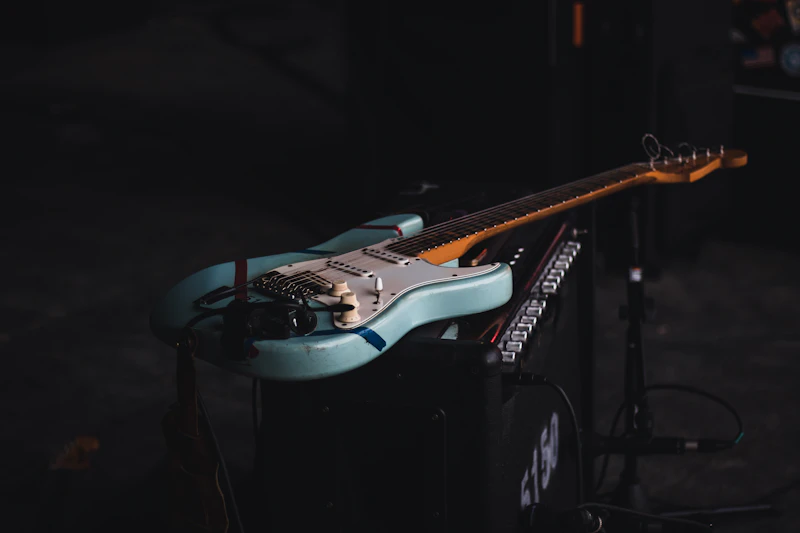
Buddy Guy's Legends
Blues legend Buddy Guy's own South Loop club — memorabilia walls, nightly sets, and a January residency by the man himself most years.
Read guide
Kingston Mines
Chicago's oldest continuously operating blues club — two stages, live music until 4am, in the heart of Lincoln Park.
Read guideMore in Things to Do
2
Chicago Sports Venues Guide
A one-page compass across Chicago's four major-league venues — Cubs, White Sox, Bulls/Blackhawks, and Bears — for visitors planning a game around a trip.
Read guide
Museum Campus (Field, Shedd, Adler)
Museum Campus groups three independently famous, separately ticketed institutions — the Field Museum, Shedd Aquarium, Adler Planetarium — on the lakefront.
Read guide